Creating Better Plant-Based Meats: Inside Stampede’s Culinary Development Approach
At Stampede Culinary Partners, crafting plant-based meats isn’t just a side project—it’s a culinary commitment. Led by Chef Ron Jolicoeur and Chef Roger Waysok, we are redefining what’s possible in the world of meat alternatives, applying decades of expertise in animal protein to a new generation of center-of-plate innovation.

From the test kitchen to the plate, the approach is clear: make it craveable, make it clean, and above all, make it taste like meat.

For Stampede, the goal isn’t to chase trends—it’s to build something genuine and lasting. Our plant-based meats are designed to satisfy the same way a great meat product would: rich, juicy, memorable. We’re proving that plant-based doesn’t have to mean compromise—reimagine innovation.

Why We Say “Plant-Based Meats”

In a market filled with terms like “alternative protein” or “meatless substitutes,” we make a deliberate choice to call our products what they aim to be: plant-based meats.

“‘Alternative protein’ doesn’t always suggest a true culinary match for meat,” says Chef Waysok. “We’re not just trying to give someone a vegetarian option—we’re replicating the key attributes of meat itself: the flavor, texture, and visual experience.”

That distinction shapes everything the culinary R&D team does—from ingredient selection to cooking methods to the final sensory experience on the plate.

A Meat-Maker’s Mentality—Now With Plants

Developing a great plant-based product at Stampede follows many of the same principles as our traditional meat offerings. Just as different animal proteins and cuts require specific techniques, so do grains, legumes, and vegetables. Our team doesn’t settle for “good for plant-based”—they aim for “good, period.”

“The biggest driver for us is the challenge,” says Kevin Schultz, VP of Sales and Marketing-Natural & Organic. “We want to create something even a meat-eater will say, ‘Wow, that’s good.’ That’s the standard. That’s the way to get lapsed users, most of whom are meat eaters, back into enjoying plant-based for good.”

That challenge begins with collaboration. Whether a concept originates in-house or is brought forward by a customer, Stampede begins with a simple question: How would we make this if it were meat? From there, the team reverse-engineers a plant-based version—replacing, rebalancing, and refining the formula over multiple iterations.

The Test Kitchen: Where Ideas Become Fan Favorites

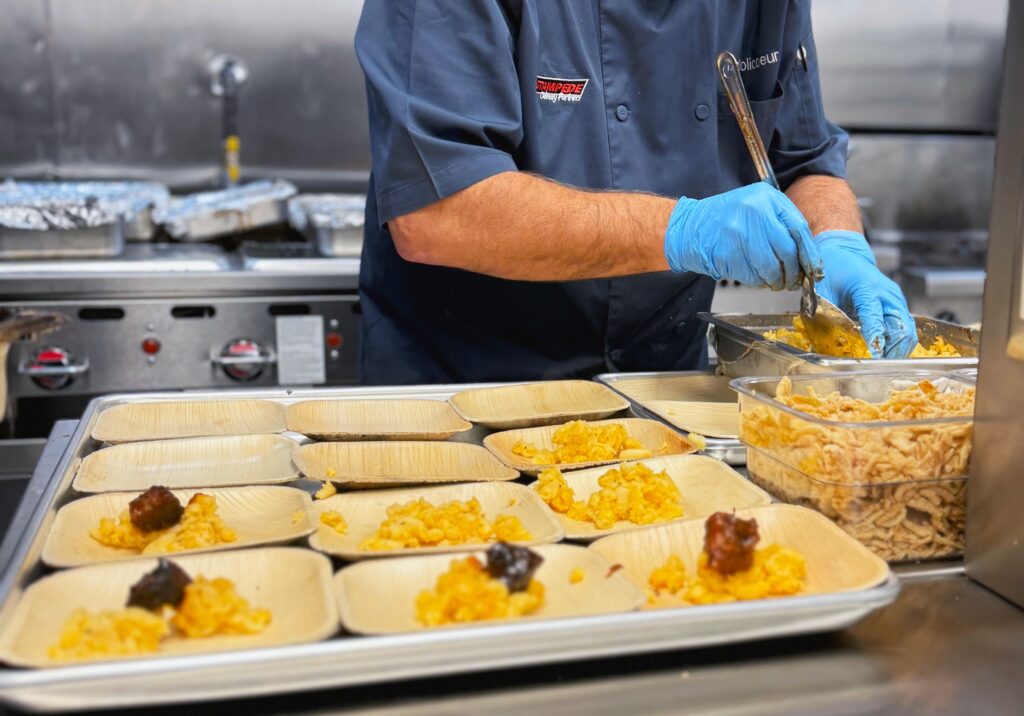
Take the grain-based burger or meatless meatballs—two of Stampede’s early crowd-pleasers. Each one was the result of extensive testing, feedback, and fine-tuning. Our team maintains a core group of internal taste-testers who offer honest critiques, helping ensure no product moves forward until it exceeds expectations.

Sensory experience is paramount—taste, smell, texture, and appearance must all align to create a meat-like impression. Nutritional value matters too, but not at the expense of eatability. “We’re always conscious of keeping the ingredient lists short and pronounceable,” Waysok notes.

Flavor development with plant ingredients requires extra nuance. Grains and legumes don’t inherently have the same savory depth as meat, so building that flavor profile often takes a more layered approach.

And among the emerging MVPs? Jackfruit. With its naturally fibrous texture and excellent ability to absorb flavors, it’s become one of the most exciting ingredients in the team’s toolkit.

Precision Cooking with Sous Vide

One of Stampede’s secret weapons in developing standout plant-based meats is its extensive use of sous vide technology.

Sous vide allows our culinary team to tightly control cooking temperature and time, resulting in consistent, high-quality results—essential when working with variable plant ingredients. “It’s perfect for plant-based meats because we can dial in exactly what’s needed to preserve flavor and hit the right texture,” Waysok explains.

Each item—just like animal proteins—gets its own tailored time and temperature plan. “There’s no one-size-fits-all. Just like a brisket doesn’t cook the same as a chicken breast, each plant-based recipe gets the same level of individual attention.”

What Sets Stampede’s Solutions Apart

In an increasingly crowded space of plant-based innovation, Stampede stands out by leveraging our core strength: meat mastery. Our heritage in protein production gives us a deep understanding of what makes meat satisfying—and how to replicate that satisfaction with plants.

Curiosity drives our team forward. “Hemp seeds are one of the ingredients we’re looking into more,” says Waysok. “They offer a compelling mix of nutrition, protein, and texture potential. There’s so much we haven’t tapped into yet.”

We’re discovering new things every day—some of it is technique, some of it is flavor. And while taste, texture, and nutrition lead the way, affordability remains essential. Plant-based meats must compete with traditional proteins not just in quality, but in cost—because great products aren’t enough if they’re out of reach for everyday consumers. “And this is key—despite the negative press, plant-based diets remain on the rise among Gen Z and Millennials, but they don’t want complex ingredient lists or over-processing. The challenge for us [Stampede] is to deliver straightforward, nutritious, and flavorful options that grill, melt, and taste just like traditional meat. The point is—we never say something can’t be done. We just haven’t done it yet,” says Schultz.

Breaking Down the Sous Vide Revolution: Highlights from FA&M 2025

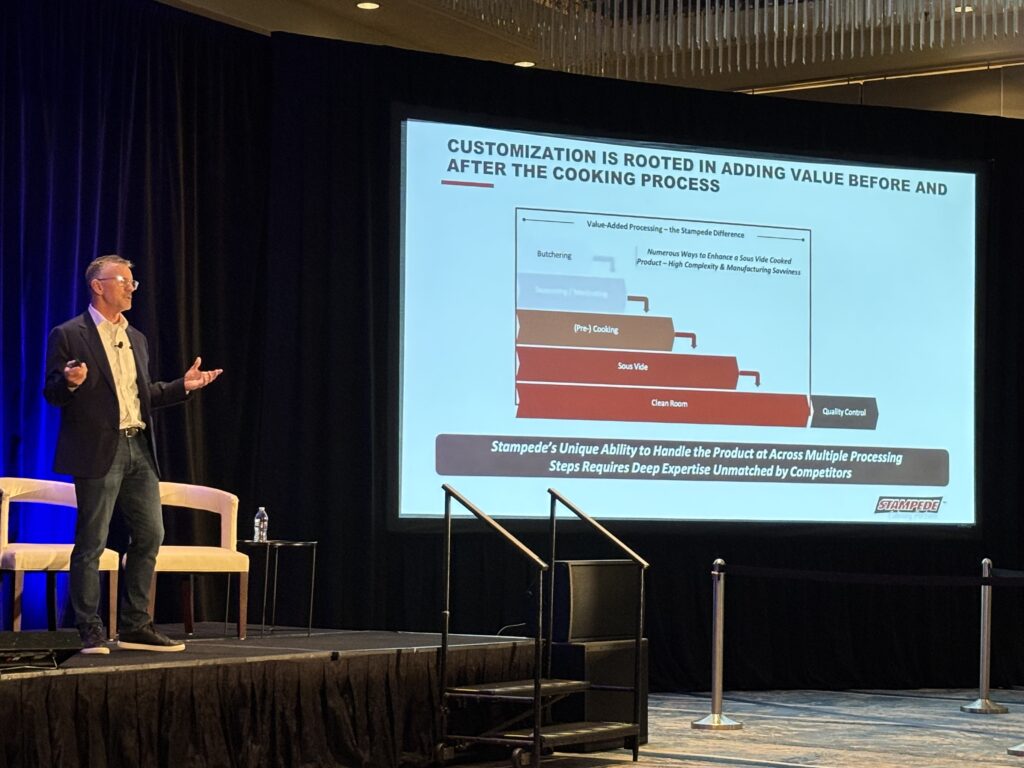
At this year’s Food Automation & Manufacturing Symposium, our CEO Brock Furlong took the stage to discuss how sous vide is transforming the food industry and why Stampede is leading the charge.

Labor remains one of the biggest challenges facing foodservice and retail. Brock’s session, Stampede & the Sous Vide Revolution, explored how sous vide offers a smarter, scalable solution: delivering consistency, food safety, and culinary excellence while reducing operational strain. What sets Stampede apart is our ability to customize every step of the process—from butchering and marinating to cooking, packaging, and distribution—all under one roof. Our clean room infrastructure and proprietary Low Temperature Pasteurization (LTP) technique ensure superior food safety, extended shelf life, and unmatched flavor integrity.

In the last three years alone, our culinary team has launched nearly 100 new products. With a CPG-style innovation mindset and deep operational expertise, we’re helping customers stay ahead of shifting consumer expectations and labor pressures.

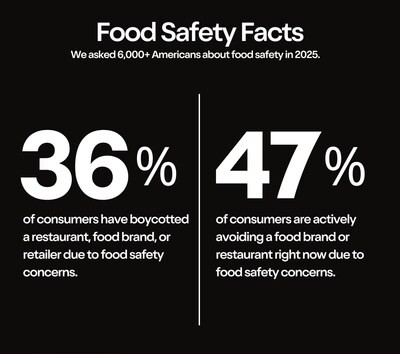
​​These themes echo what we uncovered in our newly released 2025 State of Food Safety Report —where 92% of consumers said food safety is a top priority, and over 85% are willing to pay more for products with enhanced safety measures.

As Brock shared on stage, there’s still massive whitespace in this market—over 65% of foodservice and retail operators aren’t yet using sous vide. But the demand is growing fast, and we’re here to help brands meet it with confidence.

Sous vide isn’t just a trend—it’s a revolution, and we’re proud to be at the forefront of it.

Stampede Culinary Partners Opens New Test Kitchens in Two of Its Facilities

Source: Food Processing

Stampede Culinary Partners Inc. has opened new test kitchens in its Sunland Park, N.M., and Alma, Ga., processing facilities, an investment of more than $3 million that gives the company more capacity to develop, test and refine innovative food solutions for its customers.

The new test kitchens replicate what the company already has built at its Bridgeview, Ill., headquarters, offering a hands-on product testing environment for customers and partners, since they are built around customer processes and environments. With various heating and cooking methods available, Stampede’s R&D team can show customers and clients exactly how products will work in their own kitchens.

Stampede Culinary Partners’ Survey Signals Growing Food Safety Expectations for Brands

Source: MorningStar

BRIDGEVIEW, Ill., April 2, 2025 /PRNewswire/ — Stampede Culinary Partners, a premier provider of innovative culinary solutions to the nation’s leading foodservice and retail brands, today released the findings of its comprehensive Food Safety Survey 2025. The extensive study, which surveyed over 6,200 consumers nationwide, underscores Stampede’s continued leadership in food safety and highlights the critical role consumer trust plays in the foodservice and retail industries, with 93% of respondents indicating that food safety is a high priority for their families and nearly 60% reporting having experienced food-related illnesses in the past.

The Stampede Safety Lock Advantage Program: Leading the way in Proactive Food Safety

When it comes to food safety, there’s no room for compromise. At Stampede Culinary Partners, ensuring the highest safety standards isn’t just a regulatory requirement—it’s a proactive commitment. Rather than reacting to issues, Stampede employs a robust food safety system designed to prevent problems before they arise. The foundation of this approach is the Safety Lock Advantage Program, a multi-layered initiative that goes beyond industry standards to safeguard food integrity from start to finish.

The Six Pillars of the Safety Lock Advantage Program

Stampede’s Safety Lock Advantage Program is structured around six key components, each playing a vital role in maintaining food safety and quality control.

  1. Temperature Control & Monitoring
    Temperature consistency is crucial for preventing microbial contamination. From the moment raw materials arrive at Stampede’s facilities, they are continuously monitored. Temperature checks occur at every stage: upon receipt, during production, before packaging, and upon shipment. This stringent oversight ensures that products remain in optimal conditions, preventing bacterial growth and maintaining product integrity.
  1. Controlled Footwear & Sanitation Program
    Contamination prevention starts from the ground up—literally. Stampede eliminates the risk of external contaminants entering the facility with a color-coded, controlled footwear program. Employees change into designated boots that never leave the plant. These boots go through sanitizing foot baths upon entering and exiting different facility zones, ensuring that contaminants don’t travel into production areas. This meticulous approach prevents cross-contamination and maintains a controlled, hygienic environment.

“The color-coded footwear system helps maintain strict separation between different zones in our facility,” explains Ann Clarton, Sr. Director of Food Safety and Quality Assurance. “We have specific colors for raw areas, ready-to-eat areas, and maintenance. It’s a simple but effective way to reinforce hygiene and compliance.”

  1. Touchless Entry & Hand Hygiene Systems
    Hygiene is paramount in food safety, which is why touchless technology is implemented throughout the facility. Employees wash their hands using motion-activated soap dispensers, automatic paper towel systems, and touch-free sanitizing stations. This minimizes the risk of cross-contamination while reinforcing best practices in hand hygiene.
  1. Multi-Hurdle Intervention Process
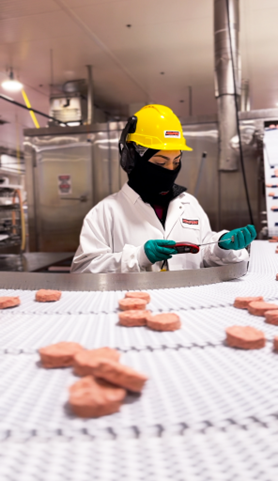
    Raw meat and poultry undergo multiple intervention steps before being processed. This begins with a specialized washing system that reduces microbial presence before cutting, marinating, or packaging. By addressing potential contamination at the earliest stage, the company ensures that harmful bacteria don’t spread throughout the facility. This multi-layered approach significantly reduces risk and enhances food safety.
  1. Pathogen Testing & Hold-and-Release Procedures
    Testing isn’t just a checkpoint—it’s an ongoing safeguard. Stampede conducts daily pathogen testing on both raw and ready-to-eat products. Before a product can be released, it must pass rigorous safety checks. This hold-and-release system ensures that nothing leaves the facility without verified, third-party laboratory results confirming safety and compliance. Testing results typically return within 24 hours, ensuring that customers receive only the safest products.
  1. Independent Third-Party Validation
    To ensure objectivity and reliability, all food safety tests undergo evaluation by an independent, certified laboratory. This external verification prevents any internal bias in testing results and provides an added layer of credibility. Additionally, Stampede conducts annual system validations to assess and refine intervention processes, reinforcing their commitment to continuous improvement.

A Proactive, Not Reactive, Approach

“We don’t wait for problems to happen,” says Adam Miller, Vice President of Food Safety and Quality Assurance. “Our program is designed to prevent issues before they even have a chance to occur. Every layer of the Safety Lock Advantage Program works together to ensure that our products are consistently safe and of the highest quality.”

Stampede Culinary Partners’ philosophy is clear: food safety is proactive, not reactive. Rather than waiting for issues to arise, our teams implement preventative measures to eliminate risks before they become problems. From strict hygiene protocols to cutting-edge intervention methods, every step is designed to maintain the highest level of food safety from production to customer delivery.

This commitment extends beyond internal operations. Employees undergo continuous training through our customized training system, that tracks learning progress, administers tests, and reinforces best practices. Regular audits—both internal and third-party—further verify compliance and operational excellence.

Customer Trust & Industry Leadership

Our dedication to food safety doesn’t just protect consumers—it builds trust with our clients. When customers tour Stampede’s facilities, they experience firsthand the rigorous safety protocols, advanced monitoring systems, and commitment to excellence that define the Safety Lock Advantage Program. This transparency reinforces customer confidence and showcases why Stampede remains a leader in the food industry. By continuously evolving our food safety program in response to new regulations, technological advancements, and self-assessments, we set the bar for what it means to be truly proactive in food safety. The Stampede approach isn’t just about meeting industry standards—it’s about exceeding them, every single day.